
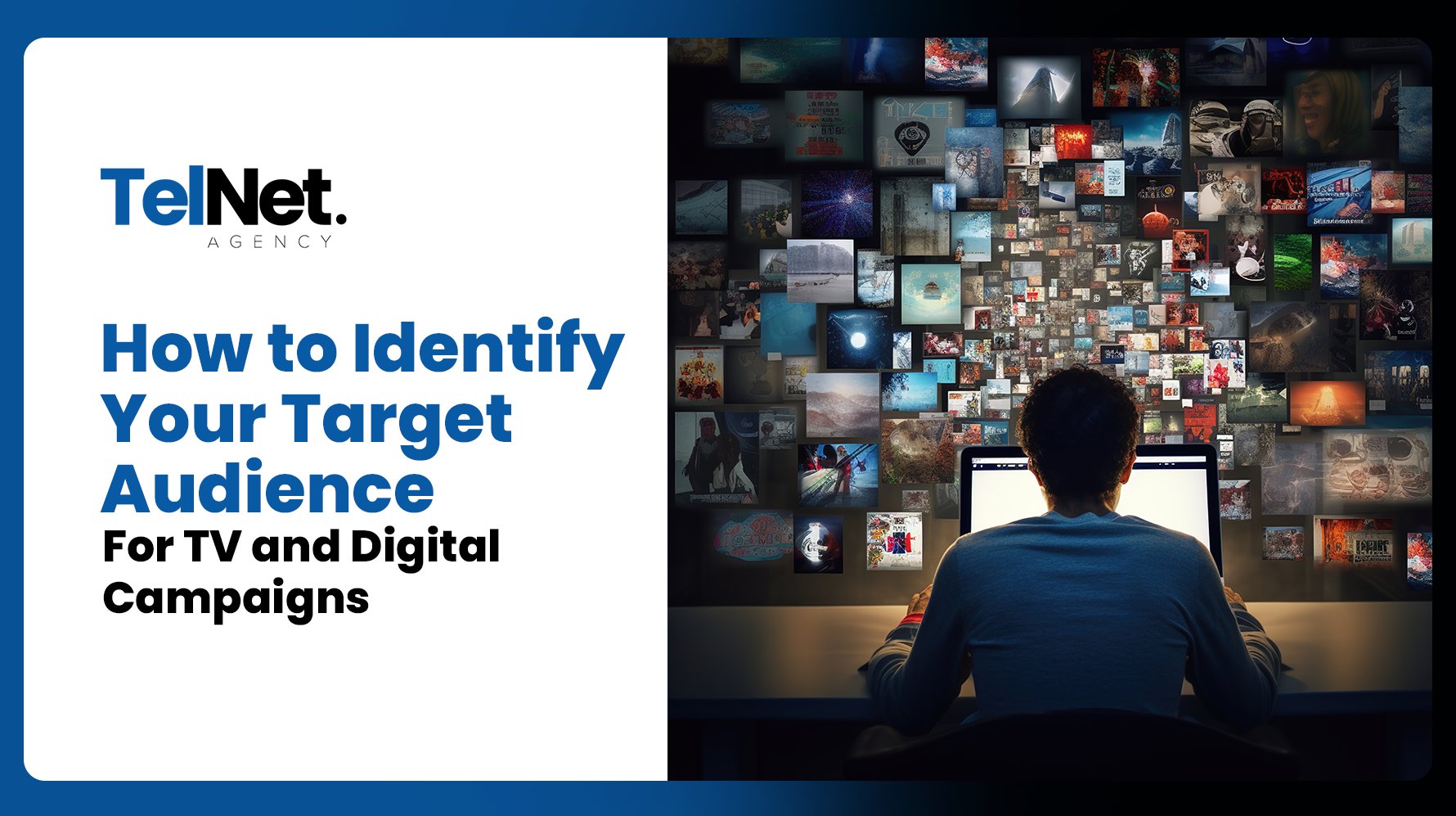

Successful TV and digital campaigns start with knowing exactly who you want to reach. Research your market, study competitors, and segment viewers to shape clearer messages. These steps help your campaigns drive engagement and deliver stronger results.
Why Is Identifying Your Target Audience Crucial?
When brands clearly understand their audience, they create campaigns that perform better, feel more relevant, and build stronger customer loyalty.
Maximizes ROI
Targeted campaigns stretch your budget further because your ads reach the people most likely to care. Data-driven ads deliver 3× higher conversion rates than non-targeted ads. When brands focus on the right audience, they waste less money and see stronger results.
Studies show personalized ads can increase conversions by 202%, and 89% of marketers say data-driven advertising improves ROI. For example, a streetwear brand that targets Gen Z fans on TikTok will drive more clicks and sales than a generic ad.
Enhances Relevance
Personalized marketing speaks to the right people at the right time. When ads match someone’s interests or lifestyle, they feel more useful and less like noise. In fact, 71% of consumers expect brands to deliver personalized communication.
Relevant messaging also drives stronger engagement. Personalized emails see 41% higher click-through rates, and tailored calls to action perform far better than generic ones.
Brands like Nike do this well by targeting athletes and fitness enthusiasts with ads that match their goals, training habits, and sports culture.
Builds Brand Loyalty
When brands understand their audience, they build lasting trust. 41% of consumers say loyalty rewards programs keep them loyal to a brand, showing how recognition strengthens relationships.
Loyalty also delivers business results. 51% of companies say loyalty programs increase customer lifetime value. Apple targets tech-savvy, design-focused users with products and messaging that fit their lifestyle, turning customers into loyal fans.
How Can You Conduct Market Research and Analysis?
Conduct market research and analysis by studying your product, analyzing your current customers, gathering market insights, reviewing competitors, and tracking industry trends.
Understand Your Product/Service
Start by clearly defining what your product or service offers and the problem it solves. Knowing this helps you identify the people who truly need it and are willing to pay for it. When you understand your offering, you can focus your marketing on the customers who matter most.
Next, define what makes your product different. Your value proposition explains why someone should choose your brand instead of another. For example, a skincare brand may highlight natural ingredients and sustainable sourcing to attract eco-conscious consumers.
Analyze Your Current Customer Base
Start with the people who already buy from you. Your current customers hold clues about who truly values your product. By studying their age, interests, and buying habits, you can spot patterns that guide smarter marketing.
Use tools like CRM systems, website analytics, and social media insights to uncover these patterns. Data often reveals where customers come from, what content they engage with, and what motivates them to buy.
Conduct Market Research
Market research helps you learn what customers want before you invest time and money. Instead of guessing, you gather insights about preferences, needs, and pain points.
You can run surveys, interviews, or focus groups to hear directly from your audience. Tools like SurveyMonkey, Typeform, and audience insight platforms make it easier to collect and analyze this feedback.
Competitor Analysis
Study how your competitors reach and speak to their audience. Look at their messaging, the platforms they use, and the people they target. This helps you see what works and where your brand can stand out.
Reviewing competitor campaigns shows how they attract attention. For example, brands can study Coca-Cola to see how it targets young, social consumers through upbeat, shareable storytelling.
Review Industry Trends
Trends reveal new customer behaviors, emerging demands, and opportunities to stand out. 32.9% of internet users discover new brands through search engines, and 73% research brands on social media before buying. These shifts show where businesses must focus their attention.
For example, many fashion brands now promote eco-friendly materials and sustainable production as consumers look for products that align with their values.
How to Define Your Target Audience?
Study who your customers are, what they care about, and how they behave. These key factors help businesses segment audiences and design strategies that speak directly to them:
- Demographics: These describe basic traits such as age, gender, location, income, education, and occupation. Marketers use this data to group audiences and tailor campaigns. For example, a luxury car brand may target high-income professionals aged 35 to 55.
- Psychographics: These explain motivations such as interests, values, lifestyles, and attitudes. They reveal why people buy certain products. For example, a fitness brand may target health-conscious consumers.
- Behaviors: These show how customers interact with products, media, and online platforms. Purchase patterns and digital habits reveal what captures attention. For example, a streaming service may target binge-watchers who prefer watching shows on mobile devices.
- Pain Points and Needs: These identify problems customers want solved. Businesses succeed when their product clearly addresses those challenges. For example, a meal delivery service may target busy professionals who lack time to cook.
How Can Buyer Personas Help You Target the Right Audience?
Create buyer personas by building detailed profiles of your ideal customers. Include demographics, interests, values, and buying behaviors to understand who they are and what motivates them.
For example, a gaming headset brand might create a persona for a competitive college gamer who streams on Twitch, values fast performance, and spends time on Discord and YouTube.
Use these personas to guide your marketing. When brands design content and messaging around customer needs, campaigns become more relevant. Marketers who use buyer personas see 73% higher conversions because their marketing speaks directly to the right audience.
How Can You Segment Your Target Audience for Better Marketing?
Audience segmentation means dividing a broad audience into smaller groups based on shared traits. Marketers group people by demographics, location, behaviors, interests, or values. This approach helps understand what each group needs and how they make buying decisions.
Brands should also tailor messages and platforms to each segment. For example, a travel company might promote budget trips through Facebook ads while reaching luxury travelers through high-end travel magazines.
How Can You Test and Improve Your Marketing Strategy?
Regular measurement shows what works and what needs adjustment:
- Track Campaign Performance: Monitor key metrics such as website traffic, engagement, and conversions. Tools like Google Analytics and Facebook Ads Manager help marketers measure how campaigns perform and identify areas for improvement.
- Iterate and Optimize: Use performance data and customer feedback to refine targeting, messaging, and channels. For example, marketers may adjust ad creatives for underperforming segments or shift budget toward channels that deliver stronger engagement and conversions.
Smarter Campaigns Start With Audience Insight
Great marketing starts with knowing exactly who you want to reach. By researching your market, building buyer personas, and segmenting your audience, you can create campaigns that are engaging and effective.
Ready to stop guessing and start reaching the right viewers? Contact TelNet Agency to build smarter TV and digital strategies that connect and convert.
FAQs
Why is identifying a target audience important for my marketing ROI?
Focusing on the right audience minimizes wasted spend and can deliver up to three times higher conversion rates than non-targeted ads.
What is the first step in conducting effective market research?
You should start by clearly defining your product’s value proposition and the specific problems it solves for potential customers.
How can I use my current customer base to find new leads?
By analyzing the demographics and buying habits of your existing customers, you can identify the specific patterns that should guide your future marketing.
What is the difference between demographics and psychographics?
Demographics cover basic traits like age and income, while psychographics explain the “why” behind a purchase, such as values and lifestyle.
How do I know if my audience targeting strategy is actually working?
You can monitor key performance metrics like website traffic and conversions using tools like Google Analytics to see which segments are engaging most.